
Which grants, subsidies, and compensations are paid for the protection of nature?
-
Nature conservation
- The history of nature conservation
-
The system of Estonian nature conservation
- The strategic documents of nature conservation
- Protected natural objects and the conservation procedure
- Protection rules, management plans, species conservation action plans, and habitat action plans
- Protected areas (kaitsealad.ee)
- Nature conservation permits
- Nature conservation supervision
- The financing of nature conservation
- Nature conservation grants and applying for them
- Natura 2000
-
International agreements and organisations
- Ramsar Convention
- Bern Convention
- European Diploma of Protected Areas
- Convention on Biological Diversity
- Bonn Convention
- EUROBATS agreement
- The Agreement on the Conservation of African-Eurasian Migratory Waterbirds (AEWA)
- International Convention for the Regulation of Whaling
- CITES
- International agreements for the protection of the seas
- HELCOM
- Aarhus Convention
- International agreements on fishing
- International agreements on the protection of inland waters
- International Union for Conservation of Nature (IUCN)
- The European Environment Agency and EIONET
- EUROPARC Federation
- The Global Biodiversity Information Facility
- Monitoring and indicators
- Databases, distribution atlases, and other data sources
- Nature conservation statistics
The state pays a number of grants and compensations for the protection and conservation of nature. Some of them are operating grants, some are compensations for not managing communities
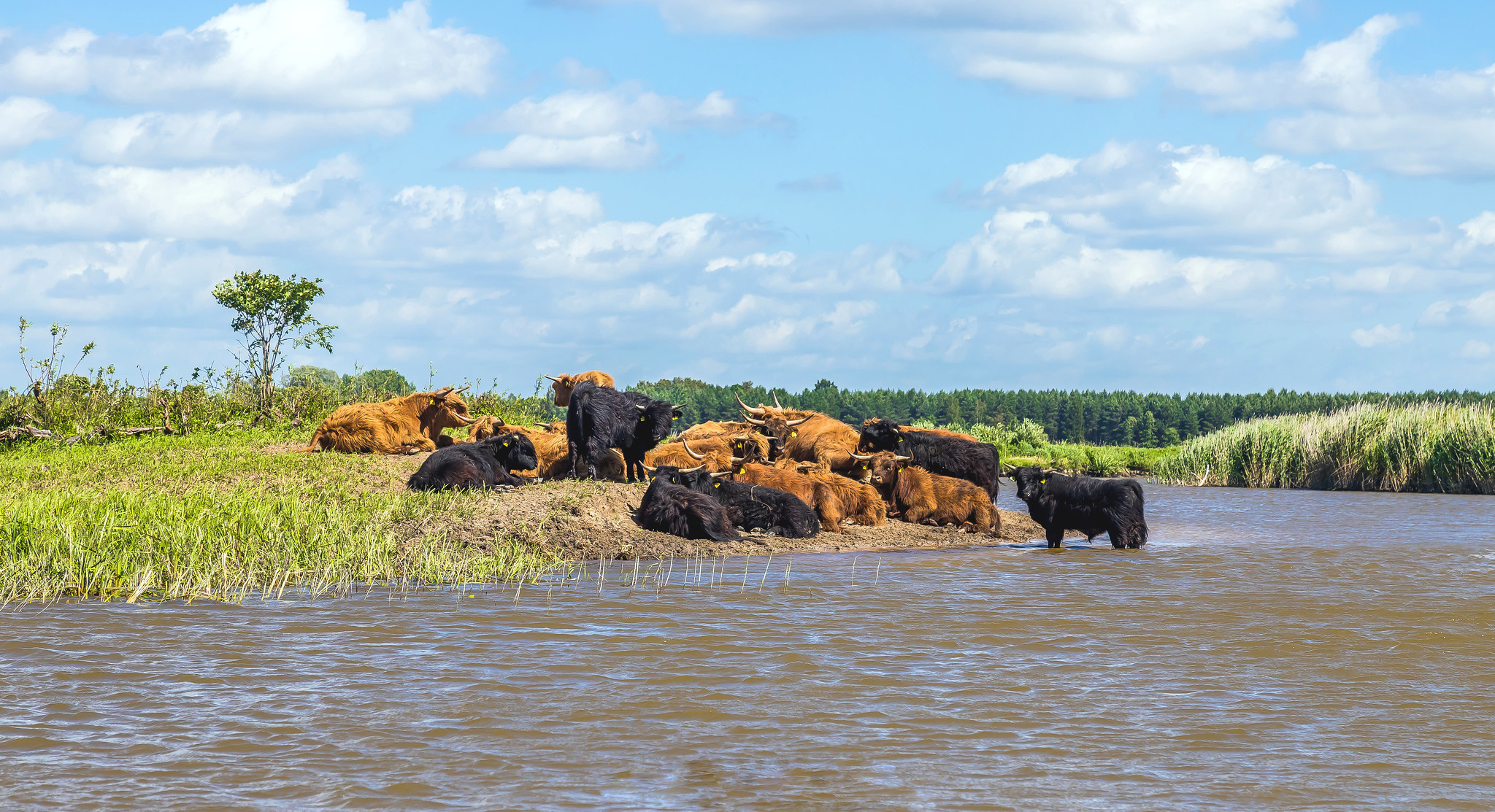
In order to protect nature, several subsidies and compensations are paid in Estonia from both the state budget and European Union (EU) funds. These include operating grants (e.g. support for the maintenance of semi-natural habitats), non-management compensations (e.g. Natura 2000 private forest land support), and tax incentives (e.g. land tax relief and exemption for protected sites [1]).